
Ledger.com/Start® | Getting™ Started — Ledger®
Access Ledger.com/start to complete your Ledger device setup, connect the hardware wallet, follow recommended instructions, review security practices, and prepare for everyday cryptocurrency management.
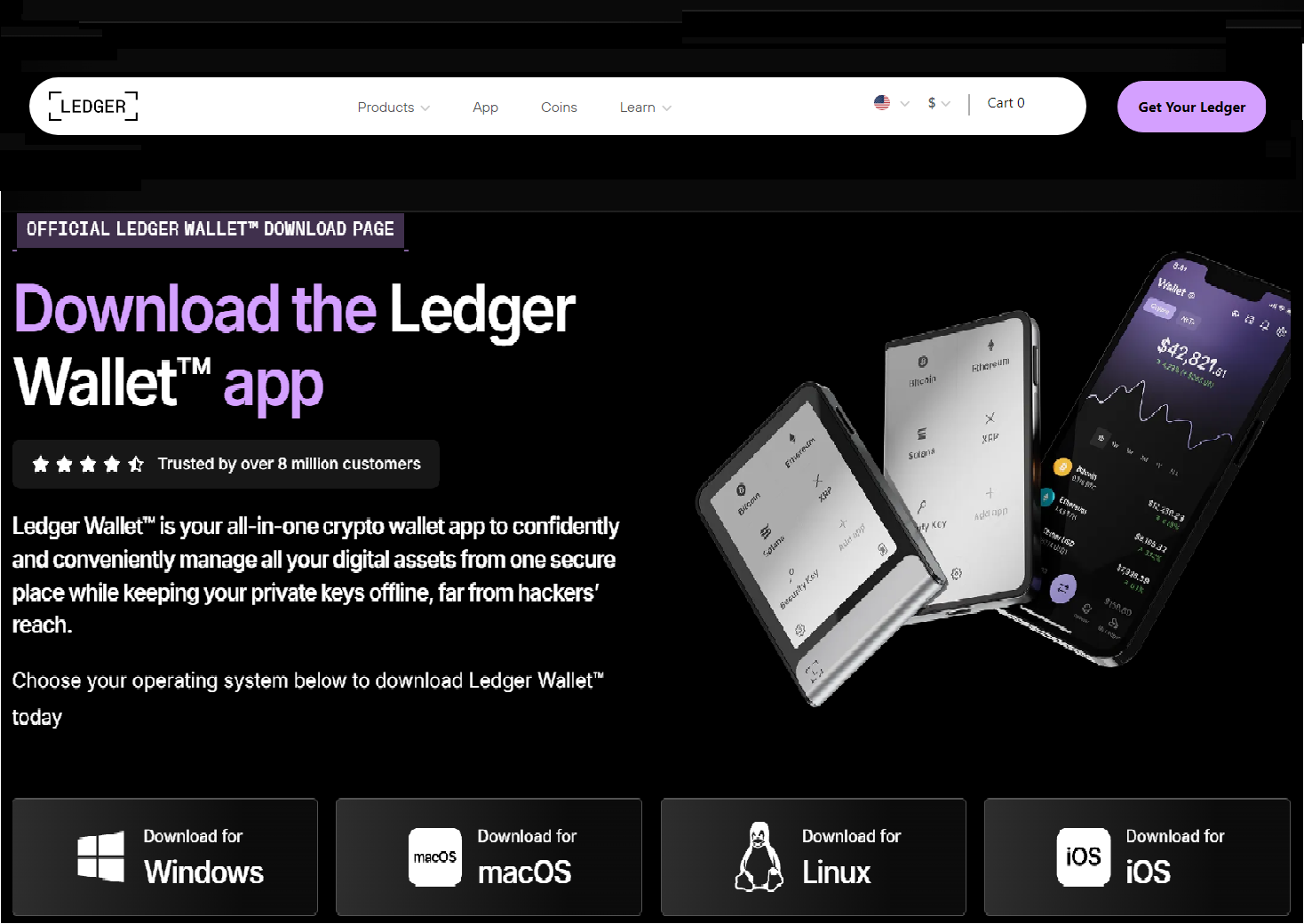
Ledger.com/Start: A Beginner-Friendly Guide to Your Ledger Wallet Setup
Cryptocurrency security begins with choosing the right tools and understanding how to use them properly. A Ledger hardware wallet provides a way for users to manage digital assets while keeping important wallet credentials protected. For new users, Ledger.com/start serves as a helpful starting point for learning how to initialize a Ledger device and begin managing cryptocurrency securely.
The setup process involves more than installing software. Users need to understand device security, wallet backups, and safe transaction practices to create a reliable cryptocurrency management routine.
Understanding Ledger.com/Start
Ledger.com/start is a setup resource designed for users beginning their journey with a Ledger hardware wallet. It helps users understand the necessary steps for preparing their device, connecting it with compatible software, and completing the initial configuration.
A hardware wallet works differently from a traditional software wallet. Instead of storing sensitive wallet information directly on an internet-connected device, it uses dedicated hardware to help protect important credentials.
Why Starting From an Official Source Matters
When setting up any cryptocurrency wallet, using the correct source is extremely important. Fake websites and imitation applications can appear similar to legitimate services and may attempt to collect private information.
Before beginning the setup process, carefully verify the website address. Avoid downloading wallet software from unknown websites, unofficial links, or messages received from unfamiliar sources.
Using the official setup process helps users avoid many common security risks.
Connect Your Ledger Hardware Wallet
After accessing the setup page, connect your Ledger device according to the instructions provided. The hardware wallet should remain under your control throughout the setup process.
Follow each instruction carefully and pay attention to messages displayed on the device itself. The physical wallet provides an additional confirmation step for important actions.
Never approve a request without understanding what it means. Taking time during setup can help prevent mistakes later.
Install and Use Ledger Live
Ledger Live is the software application used for managing supported Ledger hardware wallets. It provides an interface where users can view accounts, check balances, review transactions, and access supported features.
Download Ledger Live only from an official Ledger source. Avoid modified applications or files obtained from unknown websites.
Once installed, connect your hardware wallet and follow the instructions shown in the application. Become familiar with the interface before making major transactions.
Create a Secure Wallet Backup
During the setup process, users receive important recovery information that can help restore wallet access if the hardware device is unavailable.
This recovery information should be treated as highly confidential. Write it down carefully and store it in a secure location.
Do not save recovery details as screenshots, online documents, email drafts, or cloud files. Never share them with another person, even if someone claims to represent wallet support.
Protecting your recovery backup is one of the most important responsibilities of owning a self-custody wallet.
Configure Your Device Security
A Ledger device includes security features designed to protect access to your wallet. During setup, follow the instructions for creating your device protection settings.
Choose secure information and keep it private. Avoid sharing access details with others or leaving them where unauthorized people could find them.
A secure wallet depends on both the technology and the user's personal security practices.
Managing Assets After Setup
Once your Ledger wallet is ready, Ledger Live can help you manage supported cryptocurrency accounts. Users can view account information, monitor activity, receive assets, and prepare transactions.
Before sending cryptocurrency, always review the transaction details carefully. Check the destination address, amount, selected network, and any related fees.
Confirm important details directly through the Ledger hardware wallet before approving a transaction.
Avoid Common Security Errors
Many wallet-related problems happen because users rush through important steps. Avoid entering recovery information into websites, installing software from unofficial sources, or approving unknown transactions.
Be cautious of messages claiming that your wallet requires urgent verification or account recovery. Always confirm such requests through trusted official channels.
Keep Your Ledger Setup Updated
After completing the initial setup, continue maintaining your wallet carefully. Use official Ledger software updates and avoid downloading files from suspicious sources.
Regularly reviewing your wallet activity and maintaining good security habits can help you manage digital assets more responsibly.
Final Thoughts
Ledger.com/start provides a useful introduction for users setting up a Ledger hardware wallet. The process includes connecting the device, installing Ledger Live, creating a secure backup, and learning safe transaction practices.
A successful wallet setup depends on careful attention and consistent security habits. Always use official sources, protect your recovery information, verify transactions before approval, and remain aware of potential scams. With the right approach, users can build a safer and more organized way to manage their cryptocurrency assets.
Updated about 7 hours ago