
Ledger.com/Start® | Getting started®™ — Ledger Support
Get started through Ledger.com/start with helpful Ledger setup guidance covering device connection, wallet initialization, security recommendations, and essential preparation for managing supported digital currencies securely.
Ledger.com/Start: A Simple Guide to Setting Up Your Ledger Wallet
Getting started with a hardware wallet can seem complicated when you are new to cryptocurrency. A clear setup process makes it easier to understand your device, protect important wallet information, and begin managing digital assets responsibly. Ledger.com/start serves as a starting point for users who want to configure a compatible Ledger hardware wallet and learn the essential steps involved.
What Is Ledger.com/Start?
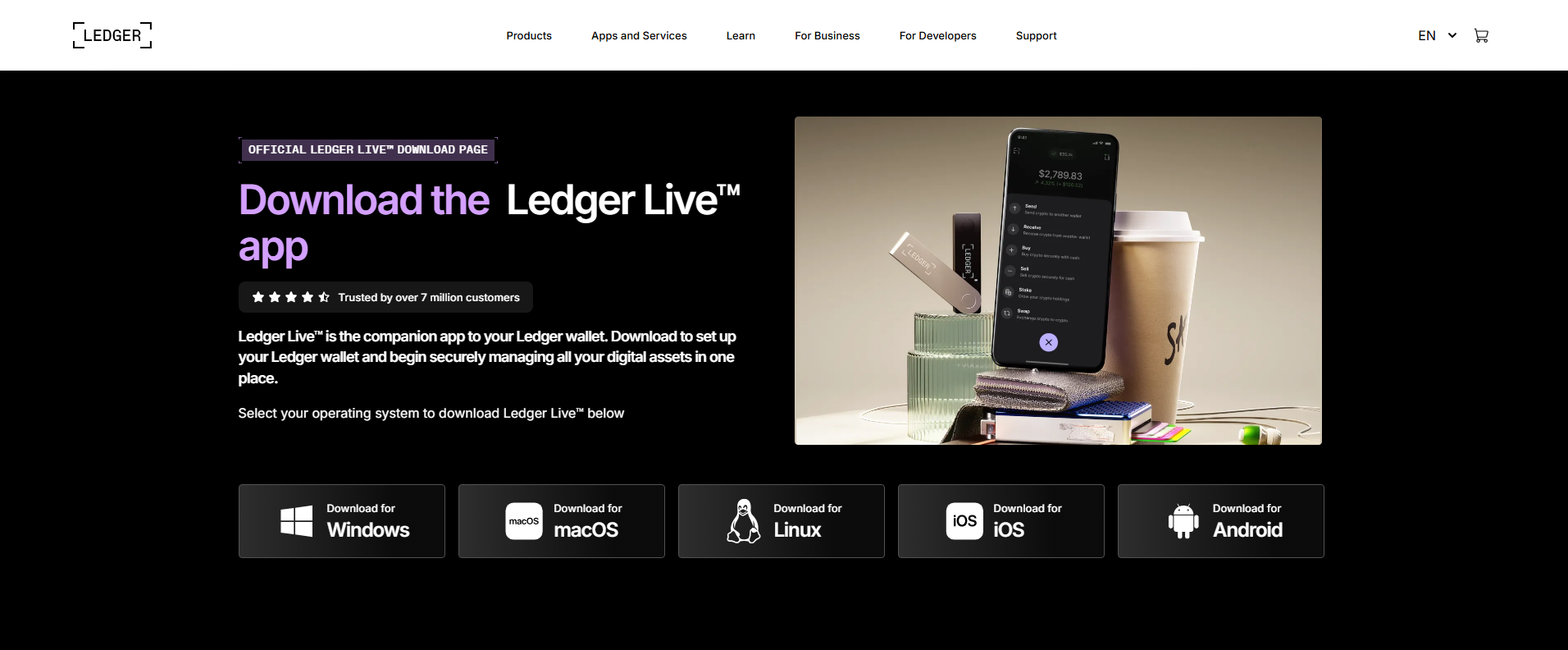
Ledger.com/start is associated with the initial setup journey for Ledger hardware wallets. It can help users find relevant setup guidance and understand how their device works with Ledger's wallet-management software.
When beginning any cryptocurrency wallet setup, checking the website address is important. Fake websites can imitate legitimate brands, so users should verify that they are using an official source before downloading software or entering information.
Prepare Your Ledger Device
Before starting, have your Ledger hardware wallet and its necessary accessories ready. Use a computer or compatible device that you trust and keep its operating system reasonably updated.
Connect your Ledger device according to the instructions displayed during setup. Read each prompt carefully rather than rushing through the process. Understanding what you are approving is an important part of responsible wallet management.
Install the Appropriate Software
A Ledger hardware wallet works with compatible wallet-management software. When installing software, use an official Ledger source and carefully verify the download location.
Avoid applications obtained from unknown websites, unofficial advertisements, file-sharing pages, or links sent through unexpected messages. Fraudulent wallet applications can be designed to collect sensitive information or mislead users.
Create or Restore Your Wallet
During setup, you may be able to create a new wallet or restore an existing one. Select the option that matches your situation and follow the instructions shown by the device.
If you create a new wallet, your device will provide recovery information. This information is essential for restoring access to your wallet and should be treated as highly confidential.
Protect Your Recovery Phrase
Your recovery phrase should never be shared with another person. Write it down carefully using the recommended method and keep it somewhere private and secure.
Do not store recovery words in screenshots, cloud storage, email accounts, or messaging applications. Never type them into random websites.
A person or website asking for your recovery phrase should immediately raise a security concern. Legitimate wallet management should not require you to disclose this information to strangers.
Check Your Wallet Accounts
After completing the initial setup, you can explore the wallet-management interface and review your available accounts. Make sure you understand which cryptocurrency and network you are using before making a transaction.
Different assets can have different requirements, so selecting the correct account is an important part of avoiding transaction errors.
Receive Cryptocurrency Carefully
Receiving digital assets generally involves generating a wallet address and providing it to the sender. Before sharing an address, confirm that it belongs to the intended account and asset.
For valuable transfers, review the address carefully. A small amount of verification can help prevent mistakes when moving cryptocurrency.
Review Transactions Before Approval
Sending cryptocurrency requires particular attention because blockchain transactions can be difficult or impossible to reverse. Carefully check the recipient address and amount before confirming.
Your hardware wallet provides an opportunity to review transaction information on the device itself. Compare the details with what you intended to authorize, and do not approve anything that looks unexpected.
Watch for Fake Ledger Websites
Cryptocurrency scams can involve imitation websites, fake support accounts, misleading advertisements, and fraudulent applications. Some may use familiar branding to appear genuine.
When using Ledger.com/start, carefully verify the domain before proceeding. Avoid clicking unexpected setup links received through social media, email, or private messages.
Keep Your Wallet Software Updated
Wallet software can receive updates that improve compatibility and functionality. When updating, use the official Ledger update process rather than downloading files from unknown sources.
It is also sensible to keep your computer's operating system and security tools updated. A secure wallet setup involves maintaining the entire environment used to access your digital assets.
Develop Good Security Habits
Hardware wallets can provide strong protection, but users still need to follow sensible security practices. Keep recovery information private, verify transaction details, use trusted software, and remain cautious about unexpected requests.
Taking a few extra seconds to confirm important information can make everyday cryptocurrency management more deliberate and organized.
Conclusion
Ledger.com/start provides a starting point for users beginning their Ledger hardware wallet setup. By using trusted software, carefully following device instructions, protecting the recovery phrase, verifying transaction details, and avoiding suspicious websites, users can establish responsible habits from the beginning. A thoughtful setup process can make future digital-asset management easier to understand and navigate.
Updated about 4 hours ago